
TREATMENTS
Dental BracesTreatment in Hafeez Dental Clinic
Dental Braces
Dental braces, also known simply as braces, are orthodontic devices used to correct the alignment of teeth and jaws. They are designed to address various orthodontic issues, such as misaligned teeth, crowded teeth, gaps between teeth, and bite irregularities. Braces work by applying continuous pressure to the teeth, gradually moving them into the desired position. Here is a comprehensive description of dental braces
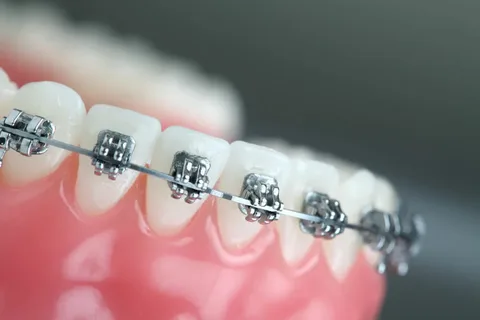
Types Of Dental Braces
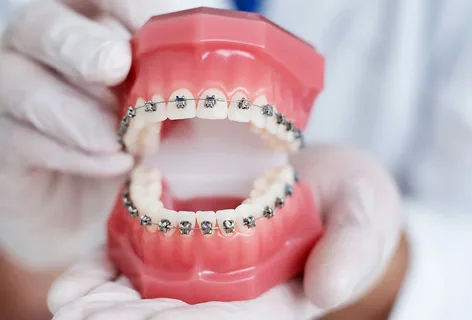
Traditional Metal Braces
Traditional metal braces consist of stainless steel brackets affixed to the front surface of each tooth and connected by metal wires. Effective for a wide range of orthodontic issues, durable, and typically more affordable.
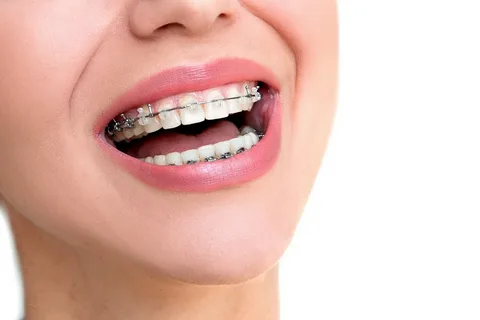
Ceramic Braces
Ceramic braces use tooth-colored or clear brackets, making them less noticeable than traditional metal braces. The wires may also be tooth-colored.
Causes of Dental Braces
Dental braces are recommended when teeth or jaws are misaligned, affecting appearance, chewing, and overall oral health. They help correct bite issues, improve speech, and create a healthier, more confident smile.
- Crowded teeth that overlap or twist out of place
- Gaps or spaces between teeth causing misalignment
- Overbite where upper teeth extend too far forward
- Crossbite or jaw misalignment affecting bite and symmetry
- Underbite where lower teeth extend beyond upper teeth
Crowded of Teeth
Occur when there isn’t enough space in the jaw for all teeth, causing them to overlap or twist.
Overlapping Teeth
Overlapping teeth may occur due to genetics, inadequate jaw size, or the loss of adjacent teeth.
Protruding Teeth
Protruding or "buck" teeth may result from a discrepancy between the upper and lower jaw sizes.
Jaw Misalignment
A dysfunctional bite, where the upper and lower jaws do not align properly, can be caused by genetic factors or childhood habits.
Symptoms of Dental Braces
Dental braces are not caused by a specific factor; instead, they are a dental treatment used to address various orthodontic issues. Braces are recommended by orthodontists to correct problems related to the alignment of teeth and jaws.
- Discomfort or Soreness
- Tightness
- Difficulty Eating
- Speech Changes
- Mouth Sores or Irritation
- Wire or Bracket Movement
FAQ's
Regular dental check-ups are essential for early detection of oral issues, preventive care, and maintaining overall oral health.
It is recommended to brush teeth at least twice a day, in the morning and before bedtime, using fluoride toothpaste.
Dental floss is used to clean between teeth and below the gumline, where toothbrushes may not reach, preventing plaque buildup and cavities.
Preventing cavities involves maintaining good oral hygiene practices, including regular brushing, flossing, limiting sugary foods, and attending dental check-ups.
Dental X-rays help dentists identify issues not visible to the naked eye, such as cavities between teeth, impacted teeth, and bone health.
Fluoride helps strengthen tooth enamel, making it more resistant to decay. It is often found in toothpaste, mouthwash, and some municipal water supplies.