
TREATMENTS
Filling and Root Canal in Hafeez Dental Clinic
Fillings and Root Canal Treatment
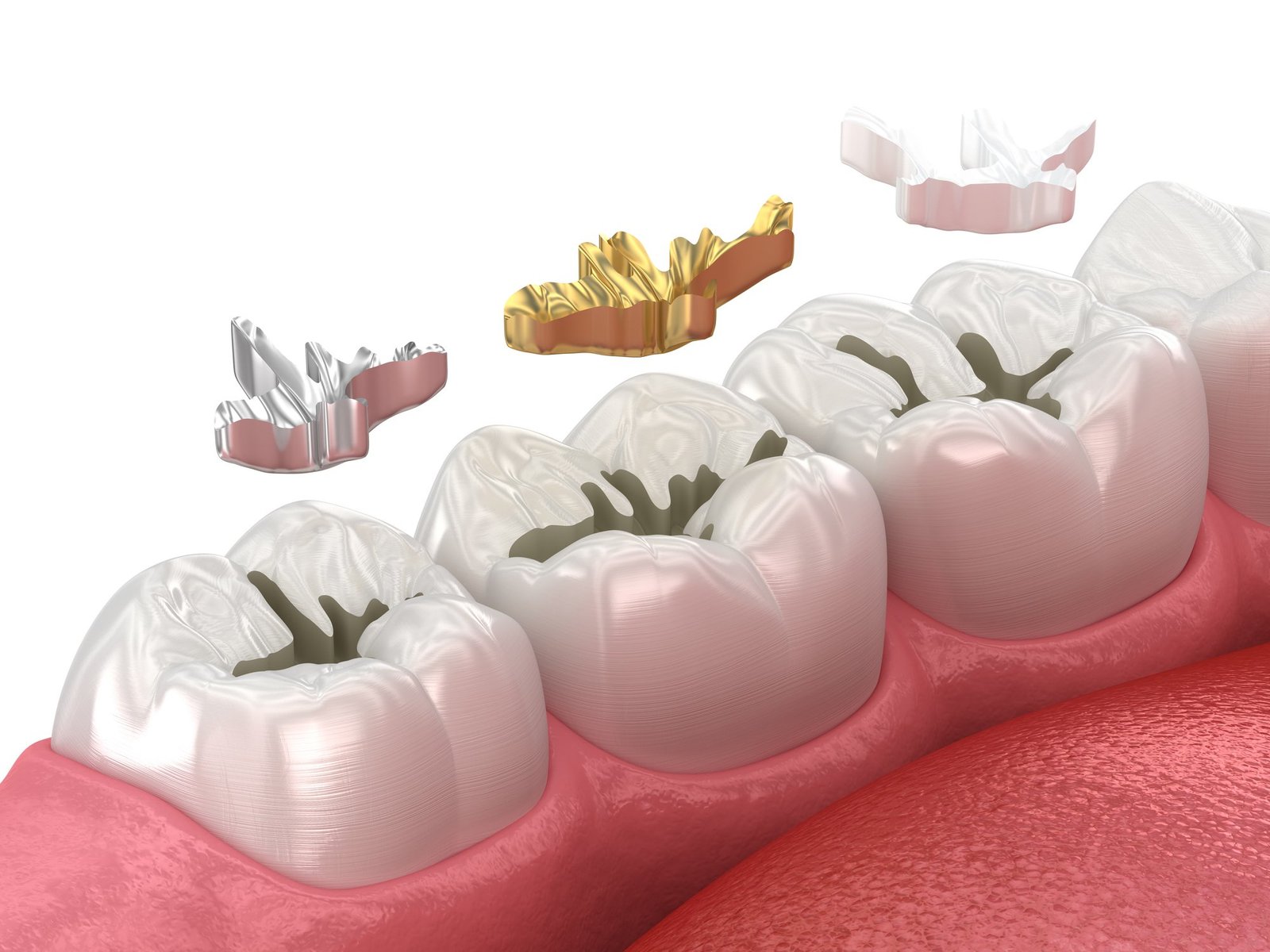
Fillings and root canals are common dental treatments that restore damaged or decayed teeth. While fillings repair small cavities on the tooth surface, root canal treatment is required when decay reaches the inner pulp, causing infection and pain. Both treatments help save natural teeth and prevent further complications, ensuring long-term oral health.

Types Of Fillings
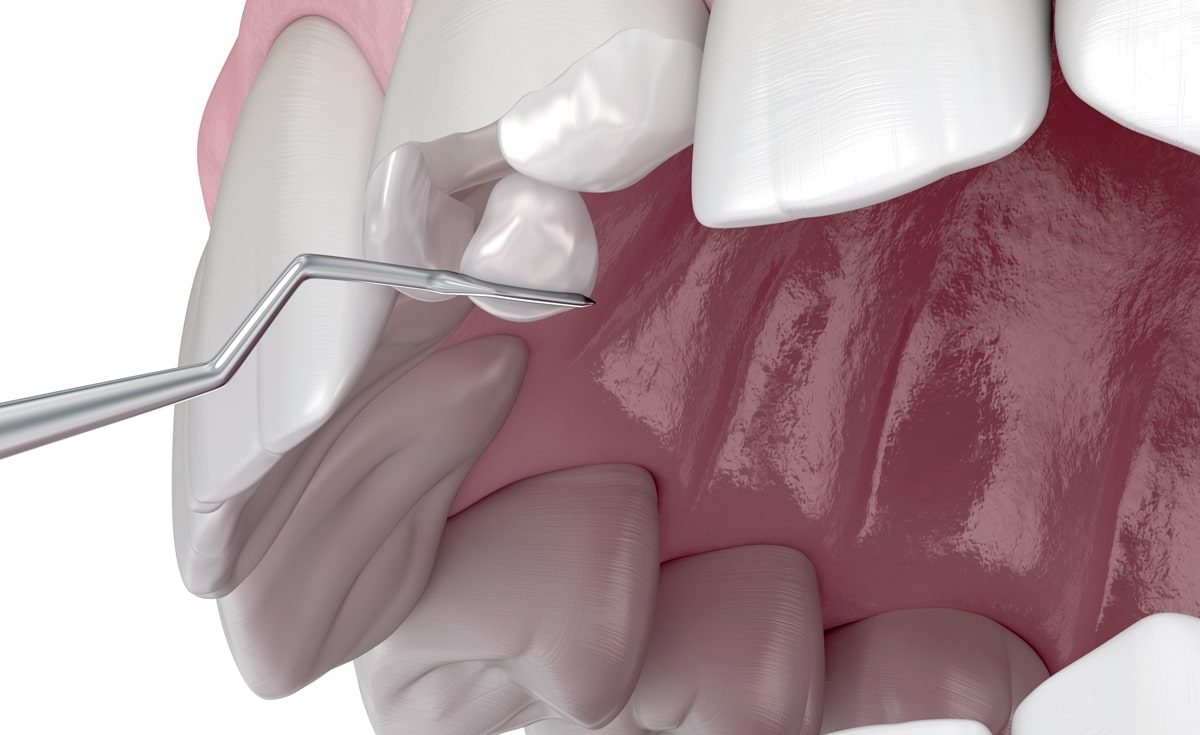
Composite Fillings
Made from tooth-colored resin, composite fillings are the most popular choice for visible teeth. They blend seamlessly with the natural tooth, provide good durability, and are ideal for small to medium cavities. They also bond directly to the tooth, which helps strengthen the remaining structure.
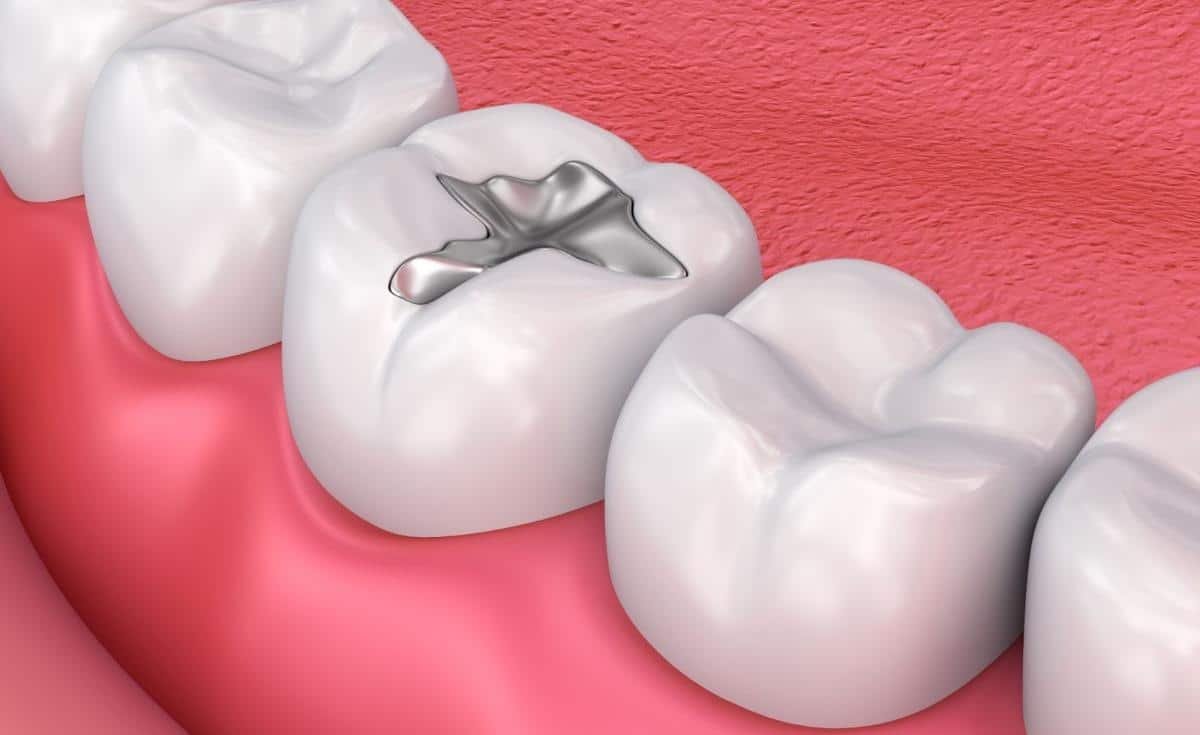
Amalgam Fillings
These silver-colored fillings are made of a metal alloy and are highly durable. Amalgam fillings are often used for molars and back teeth that endure heavy chewing pressure. While not as aesthetic as composites, they are long-lasting and cost-effective.
Causes of Fillings & Root Canal Needs
Teeth may require fillings or root canal treatment when they are damaged by decay, infection, or trauma. Addressing these causes early helps preserve natural teeth and prevents serious complications.
- Tooth decay from poor oral hygiene
- Cracks or fractures due to injury or pressure
- Deep cavities reaching the inner pulp
- Repeated dental procedures on the same tooth
- Gum disease spreading infection to the roots
Tooth Decay
Poor oral hygiene and plaque buildup lead to cavities.Dental Injuries
Cracks, chips, or trauma can damage tooth structure.Deep Infection
Untreated decay spreads to the pulp, causing pain.Repeated Treatments
Multiple dental procedures weaken a tooth over time.Symptoms of Fillings & Root Canal Needs
Certain signs indicate that a tooth may need a filling or root canal treatment. Early attention prevents further damage, infection, and severe pain.
- Severe tooth pain
- Swelling
- Cracked tooth
- Gum tenderness or infection
- Chewing difficulty
- Teeth shifting
FAQ's
A filling repairs small cavities on the tooth surface, while a root canal treats infection inside the tooth pulp.
No, it is performed under local anesthesia, making the procedure virtually painless.
With proper care, fillings can last 5–10 years, and root canal-treated teeth can last a lifetime.
Maintain good oral hygiene, avoid excessive sugar, and visit your dentist regularly for checkups.
It depends on complexity; a single-visit root canal may take 30–60 minutes, while multi-visit treatments take longer.
Yes, if oral hygiene is poor or the tooth is damaged, reinfection can occur, but retreatment is possible.