
TREATMENTS
Oral Surgery in Hafeez Dental Clinic
Oral Surgery
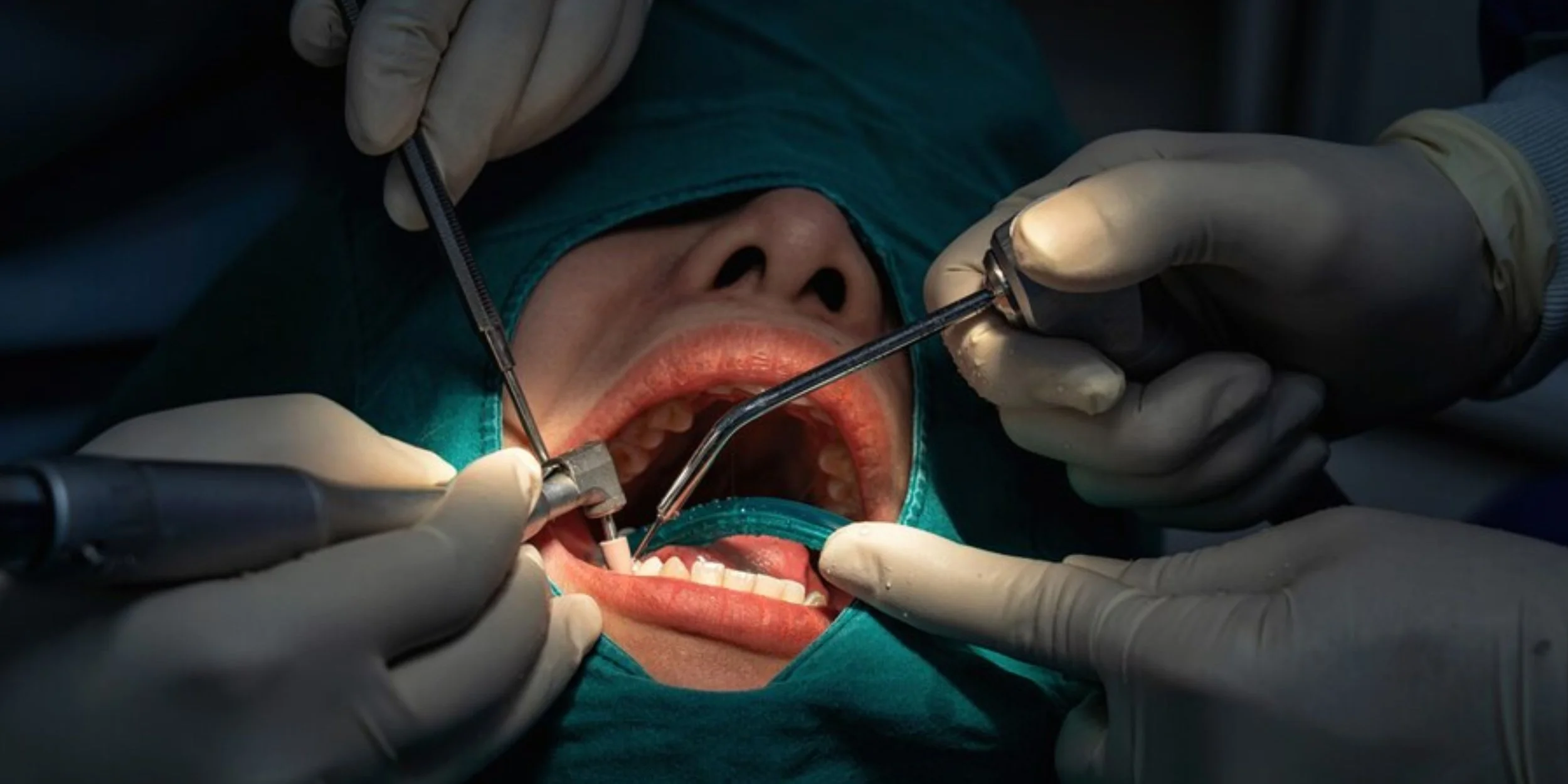
Oral surgery involves specialized procedures to treat complex dental and jaw-related problems. It includes tooth extractions, removal of impacted wisdom teeth, treatment of jaw disorders, dental implants, and corrective surgeries. These procedures help restore function, relieve pain, and improve oral health. With modern techniques and anesthesia, oral surgery is safe, comfortable, and effective for long-term results.
Types Of Oral Surgery
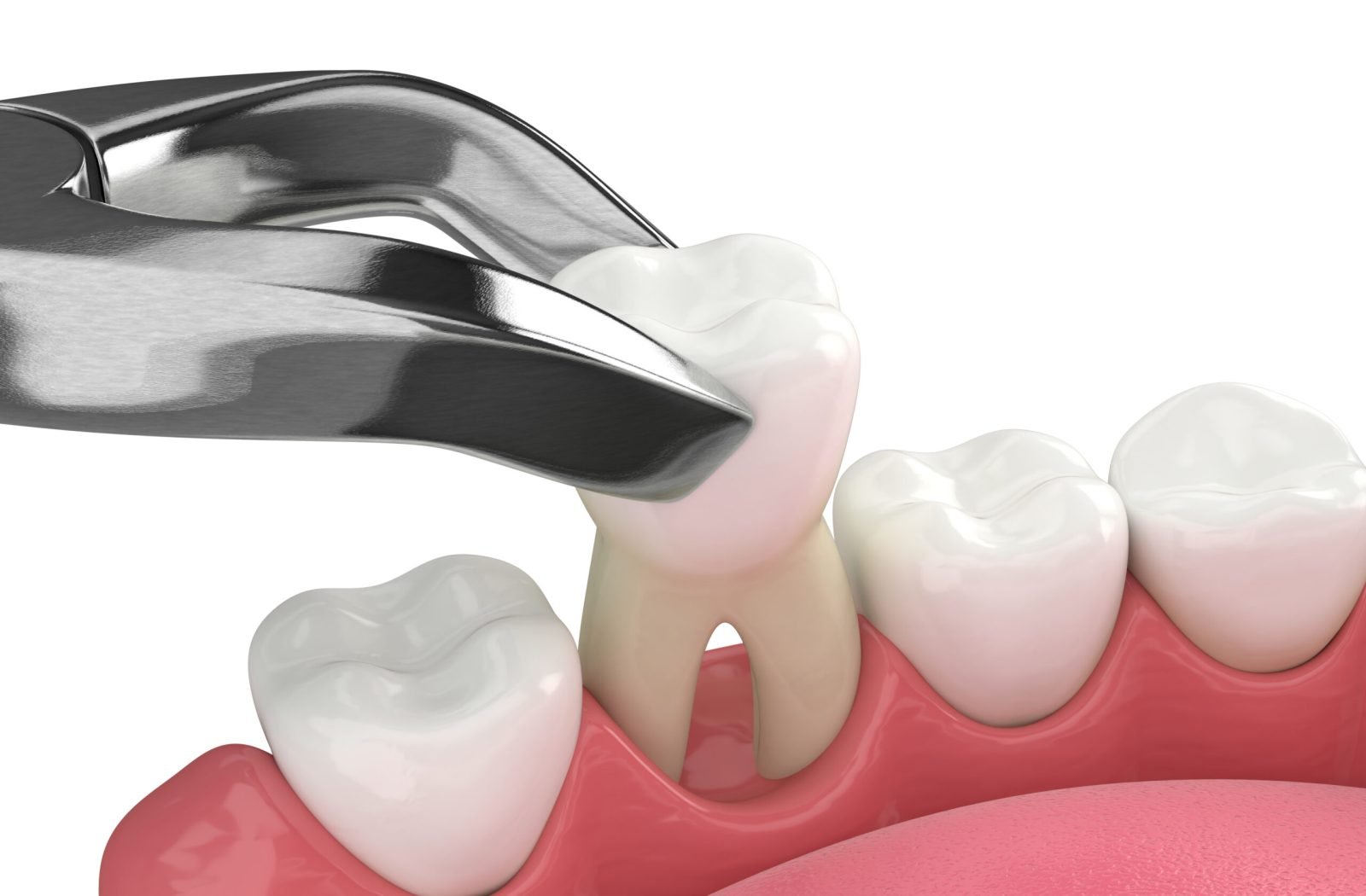
Tooth Extraction
Removal of severely decayed, damaged, or impacted teeth, including wisdom teeth, to prevent pain and infection.
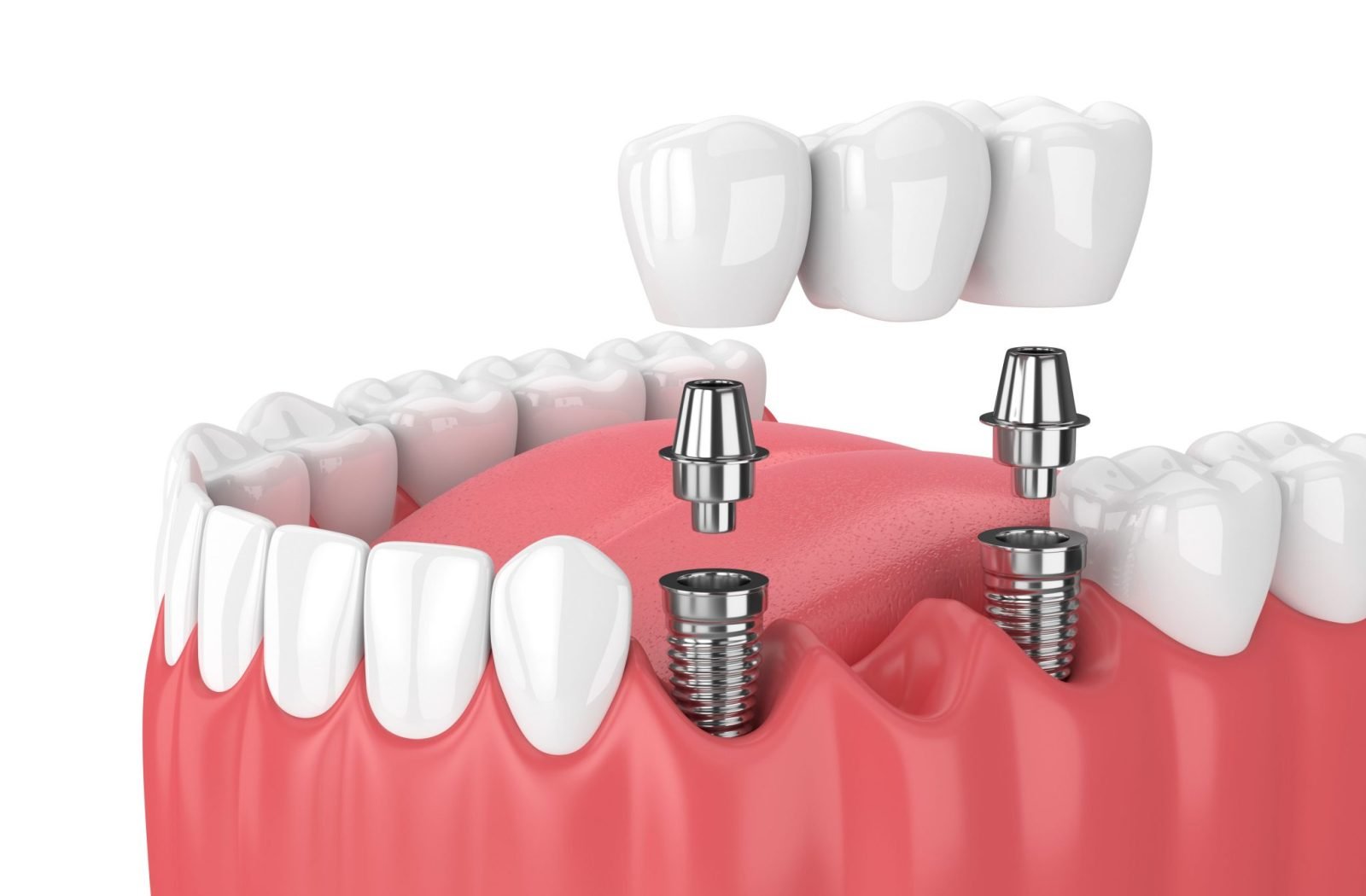
Dental Implants
Surgical placement of artificial tooth roots to replace missing teeth and restore natural function and appearance.
Causes of Oral Surgery
Oral surgery is often recommended when dental issues cannot be treated with general procedures. It addresses complex conditions affecting teeth, gums, and jaw, restoring function, comfort, and oral health.
- Severely decayed teeth – Teeth too damaged for fillings or crowns may need surgical removal.
- Impacted wisdom teeth – Wisdom teeth stuck in the gums or jaw often require extraction.
- Missing teeth – Dental implants are placed surgically to replace lost teeth permanently.
- Bone loss in jaw – Bone grafting strengthens the jaw before implants or to prevent collapse.
Tooth Extraction
Safe removal of severely damaged or impacted teeth, including wisdom teeth, to prevent pain and infection.Dental Implants
Permanent replacement for missing teeth, restoring natural appearance, chewing ability, and confidence.Jaw Correction
Surgical treatment for jaw misalignment or bite issues, improving function, speech, and facial balance.Bone Grafting
Strengthens weakened jawbone by rebuilding bone structure, often done before implant placement.Symptoms of Oral surgery
Oral surgery may be required when you experience ongoing dental or jaw problems that cannot be solved with routine treatments. Identifying the symptoms early helps prevent complications and ensures faster recovery.
- Severe tooth pain
- Swelling
- Cracked tooth
- Partially erupted wisdom teet
- Chewing difficulty
- Teeth shifting
FAQ's
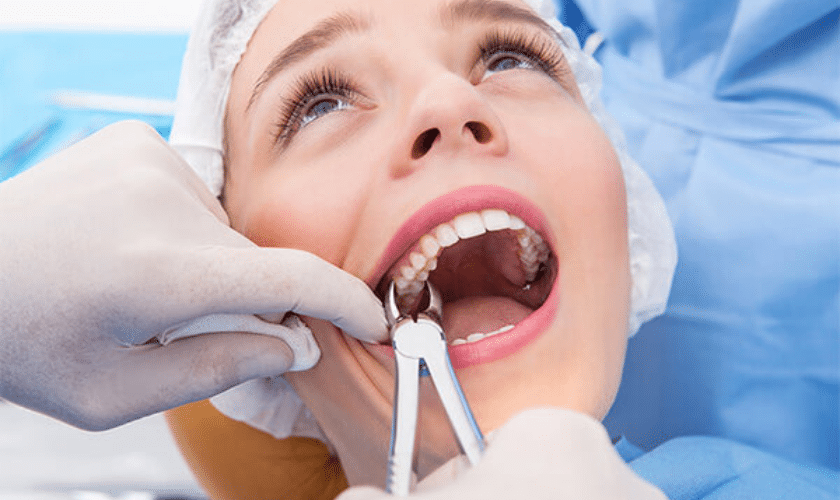
No, it is performed under local anesthesia or sedation, making the procedure comfortable and nearly painless.
Recovery usually takes a few days to a couple of weeks, depending on the type of surgery.
Soft foods like soups, yogurt, mashed potatoes, and smoothies are recommended during recovery.
Yes, if they are impacted, causing pain, or leading to infection and crowding.
Follow your dentist’s instructions, maintain good oral hygiene, avoid smoking, and take prescribed medications.
Yes, modern oral surgeries are safe and effective when performed by qualified dental professionals.